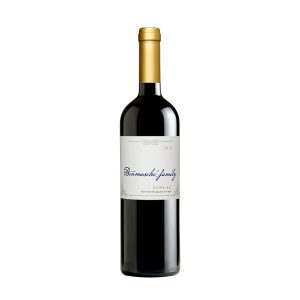
ZINFANDEL
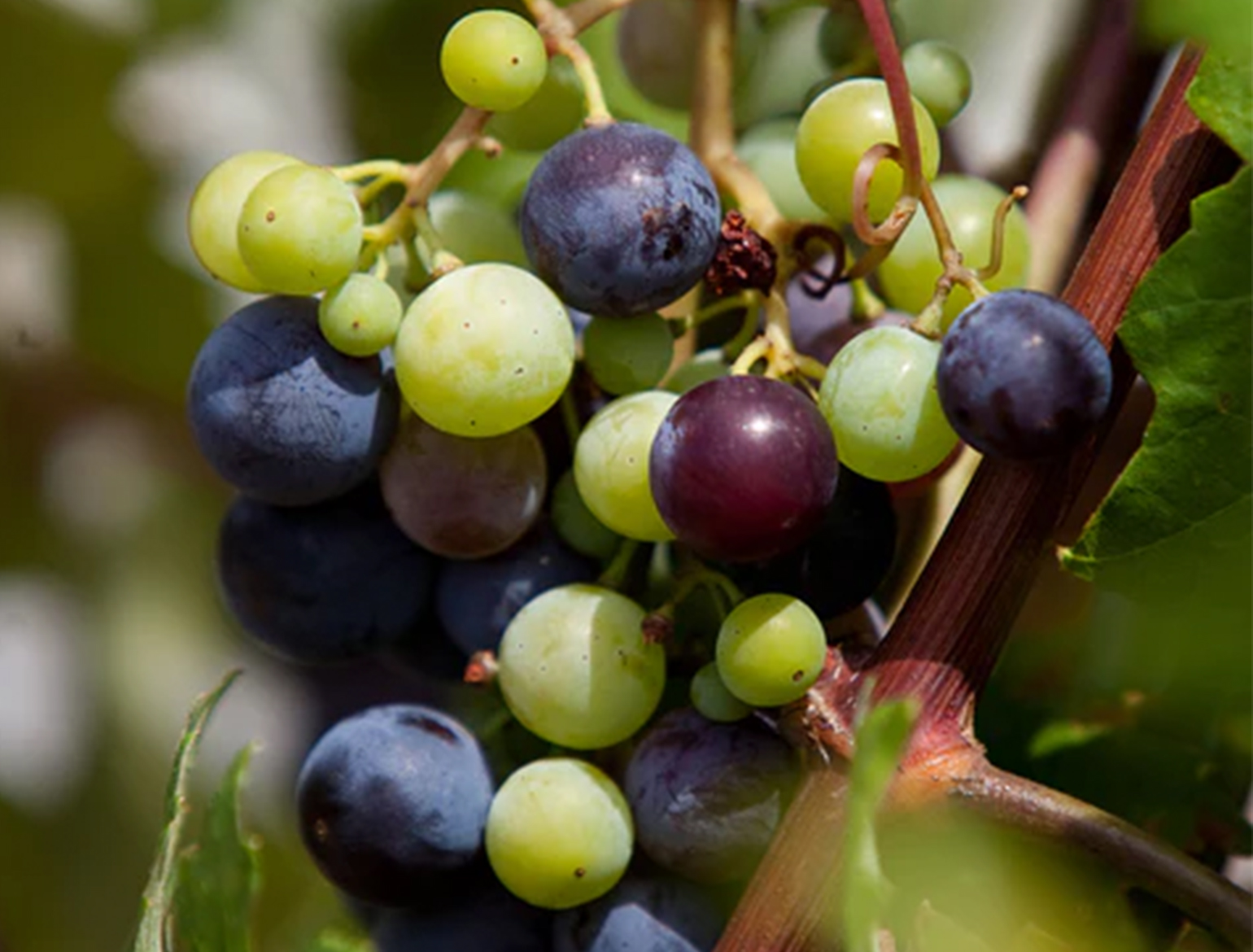
Crljenak (pronounced surl-YEN-ack) is a rare grape variety long believed to be extinct. It shares its genetic heritage with two of the world’s most renowned wines: American Zinfandel and Italy’s Primitivo. This once widely planted Croatian vine was almost completely wiped out by the phylloxera epidemic at the end of the 19th century. Crljenak is unique in character, as it ripens early in the season, requires fewer hours of sunlight, displays a deep red color, has high acidity, and reaches elevated alcohol levels.
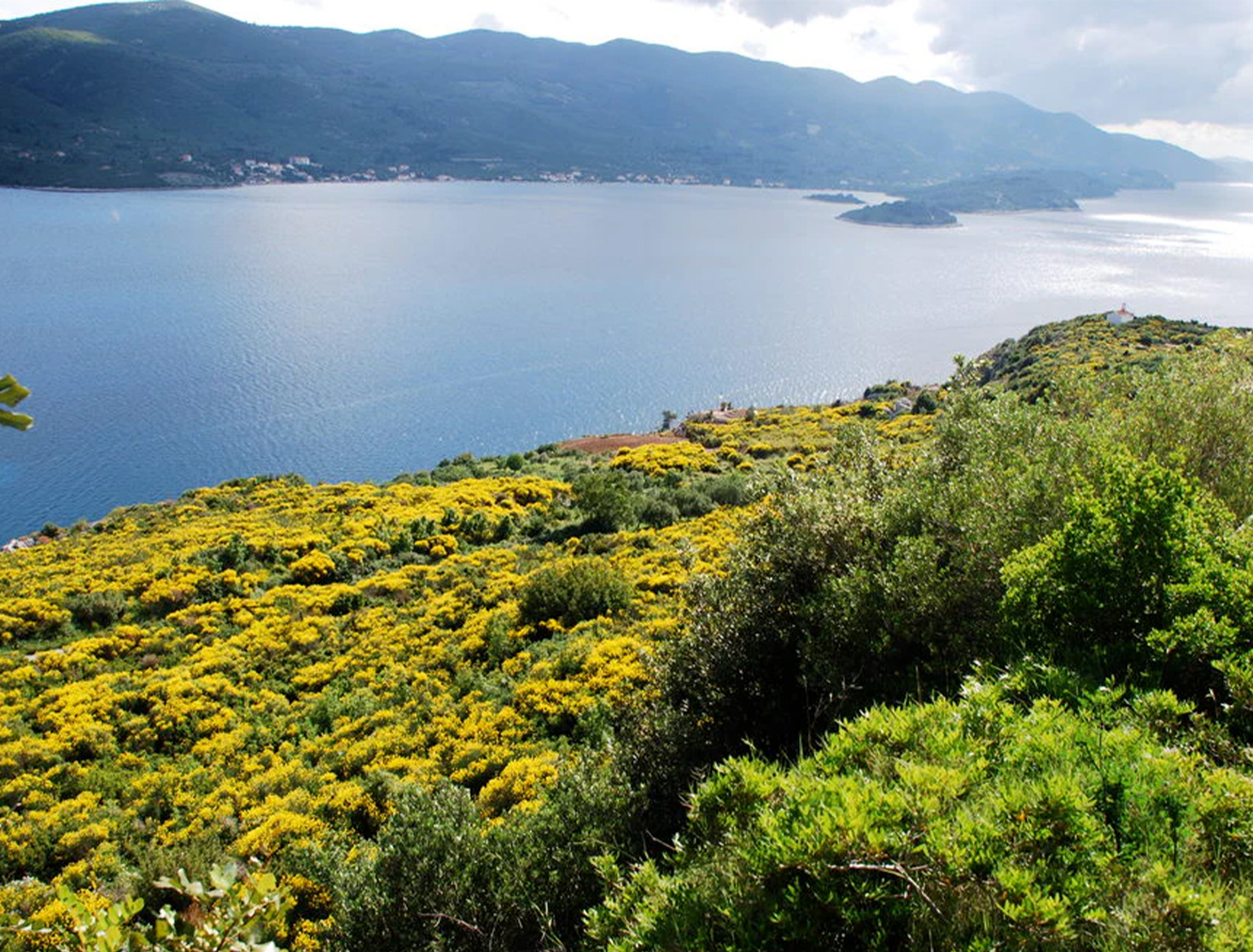
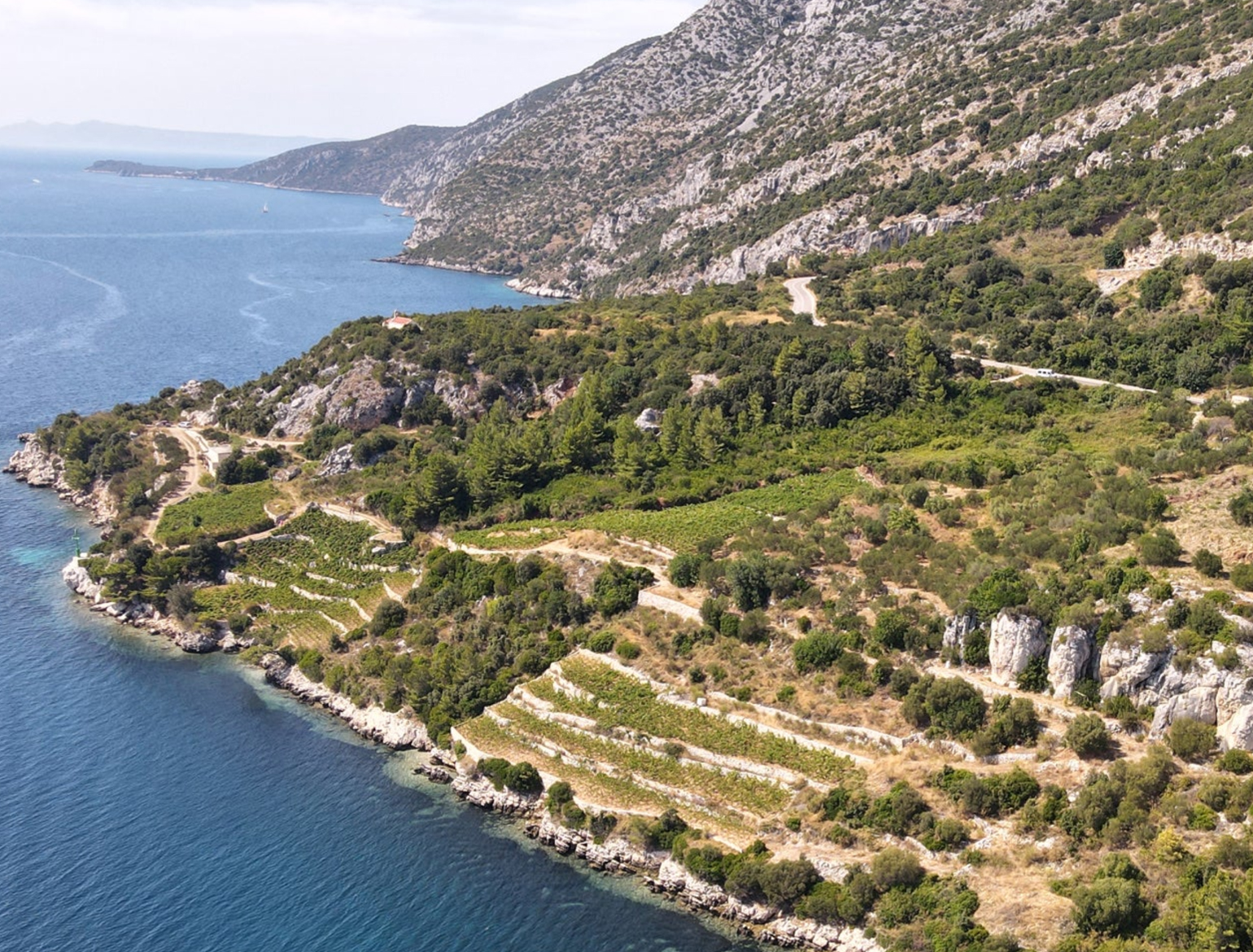
After seeing a hillside covered in blooming broom flowers cascading toward the sea, and hearing an old folk belief that such land was ideal for vineyards, Bob Benmosche and Marija Mrgudić began assembling parcels that were not commonly regarded as prime vineyard sites. Bob’s philosophy of venturing into new territory—even when no one else does—led them to a location featuring former World War I soldier barracks, beautiful olive trees, and a history likely dating back to Roman times. In 2006, Zinfandel vines (along with some Cabernet Sauvignon and Merlot) were imported from Napa Valley, and the vineyard was planted directly along the coast in Viganj, on the far western end of the Pelješac Peninsula.
One day in 2007, while building an access road for the vineyard in Viganj, Marija’s husband Ante noticed what appeared to be wild vines growing in the brush. Construction was halted and the area cleared, revealing old vine stocks. DNA testing confirmed that these three vines were original Crljenak. Today, only a few locations in all of Croatia preserve original Crljenak vines that survived the great phylloxera devastation.
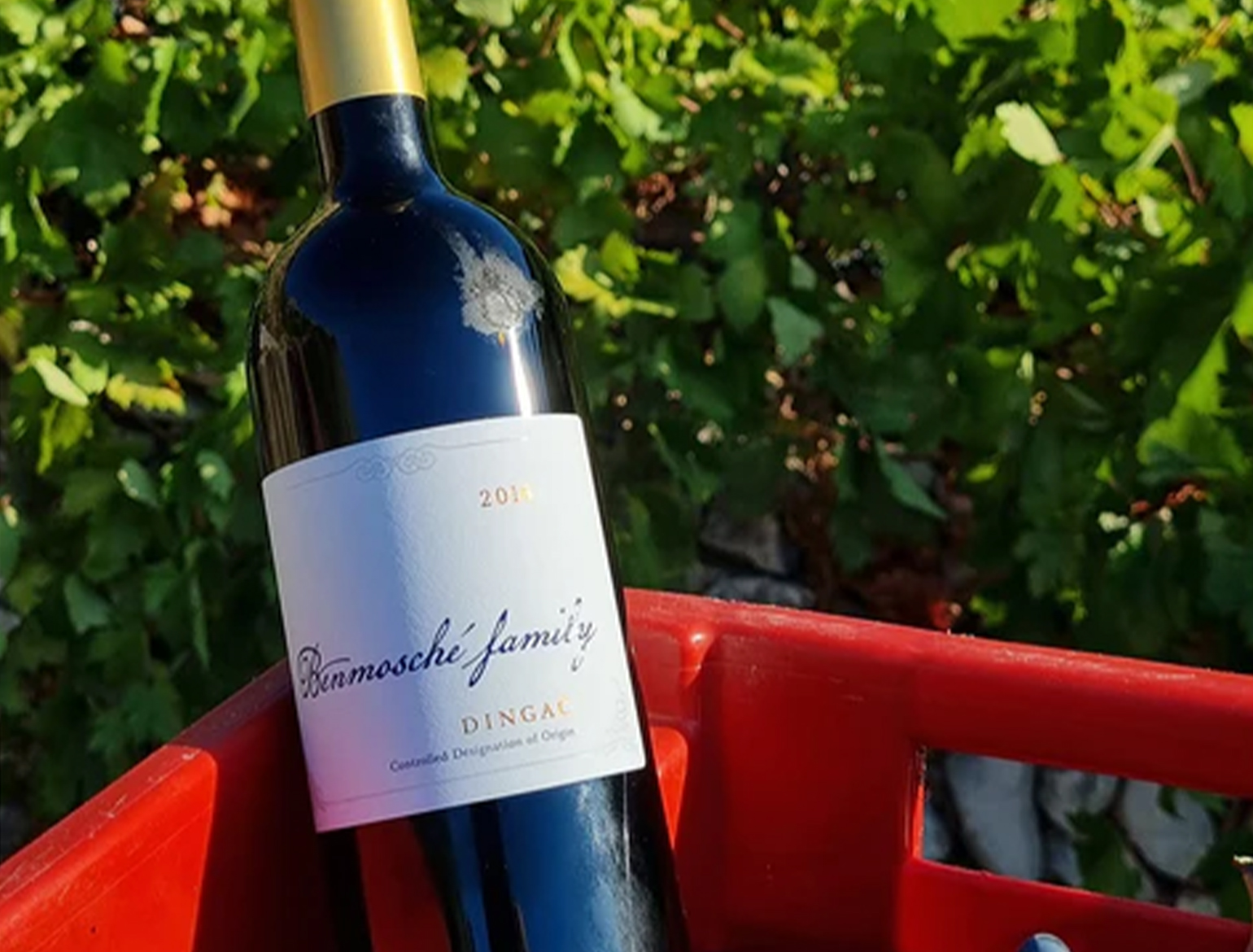
DINGAČ
The Dingač appellation is located on steep, south-facing slopes lined with stone terraces that descend toward the sea. This area is considered one of the finest sites for growing the indigenous Plavac Mali grape. Plavac Mali is a cross between Crljenak and another Croatian variety, Dobračić.
The Dingač region was officially recognized in 1961 as the first geographically protected wine-growing area in the former Yugoslavia. The dry-farming cultivation of Plavac Mali in Dingač is regarded as the purest expression of Croatian winemaking, embodying generations of history in every sip. Viticultural traditions in this region date back to Greek and Roman antiquity.